
Recycling and Sustainability — Office Clearance Acton
Office Clearance Acton is committed to creating an eco-friendly waste disposal area and a truly sustainable rubbish area across Acton and surrounding neighbourhoods. Our approach to Acton office clearance combines high recycling standards, careful segregation, and strong local partnerships so that redundant office furniture, electronics and materials are dealt with responsibly. We focus on minimising landfill, maximizing reuse, and ensuring that every disposal move supports the boroughs' recycling principles, including the London Borough of Ealing’s emphasis on separating food, paper, glass and mixed recycling streams.
Our Recycling Targets and Performance
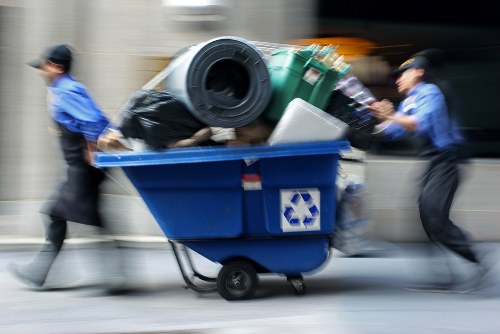
We have set a clear recycling percentage target for all office clearance projects: a minimum 75% diversion from landfill within 12 months of collection, rising to an 85% target for routine contracts by year three. This sustainable rubbish goal covers material recovery, refurbishment and donation pathways. Our metrics track wood, metal, plastics, WEEE (electricals), paper and textiles so we can report accurate diversion rates. Acton office clearance therefore aims to not only remove waste but to regenerate value through reuse and high-quality recycling streams.
Local Transfer Stations and Waste Hubs
We make use of strategically located local transfer stations to keep transport efficient and emissions low. Using nearby civic facilities and licensed waste transfer hubs reduces road miles and supports the development of local circular economies. Our route planning prioritises consolidation points in and around the boroughs near Acton so that recyclable loads are taken quickly to sorting centres and material recovery facilities, rather than being transported long distances.
 Our logistics combine low-emission vehicles with optimised schedules: we deploy electric and hybrid vans for short urban hops and Euro 6 clean diesel where longer ranges are necessary. These low-carbon vans not only reduce CO2 but also lower local noise and air pollution in community areas. This vehicle strategy is central to how we deliver sustainable rubbish area services in the heart of west London.
Partnerships with Charities and Reuse Organisations
Key to our model is collaboration with reputable charities and social enterprises. For furniture and surplus office kit we work with local donation partners who can refurbish and redistribute assets to community projects, schools and people in need. Typical partners include reuse centres, furniture banks and registered charities that specialise in electronic refurbishment and training. These partnerships give items a second life and support social value outcomes alongside environmental benefits.
Our charitable donation routes are audited and recorded so that every item passed on is traceable. When items cannot be reused, we ensure they are dismantled and components reclaimed through authorised recycling channels. This dual approach—donation where viable, material recycling where needed—helps meet our ambitious recycling percentage target and supports the borough approach to waste separation.
What We Recycle and How It’s Sorted
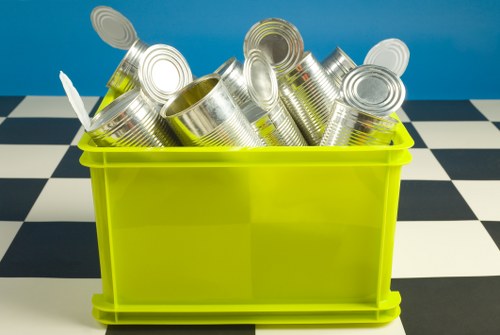
Our practical sorting regime mirrors local council collection systems: paper and cardboard, mixed dry recycling (plastic pots, tubs and trays), glass, metal and separate food waste where present. For office clearance in Acton we also handle bulky items such as desks and shelving via furniture refurbishment pathways and specialist wood recycling streams. Electronic waste follows WEEE regulations, batteries are segregated, and confidential documents are securely collected for pulping and recycling.
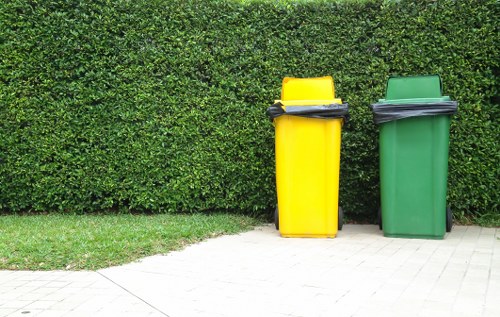
To make this easy for clients we provide clearly labelled containers and on-site segregation where possible. Staff are trained in the boroughs' separation rules—this ensures consistency with municipal recycling expectations across the London boroughs near Acton and improves material recovery rates.
Low-carbon Fleet and Carbon Reduction Measures
Our vehicle fleet emphasises low-carbon vans and sustainable travel practices. Electric vans are deployed for short-distance collections within the Acton area while hybrid or Euro 6 vehicles serve longer transfer routes. Route optimisation software reduces mileage and idling time; consolidation at local transfer stations reduces redundant trips. We monitor fuel use and emissions to continuously improve our carbon footprint and strive to exceed borough-level sustainability benchmarks.
Supporting Borough Sustainability Goals
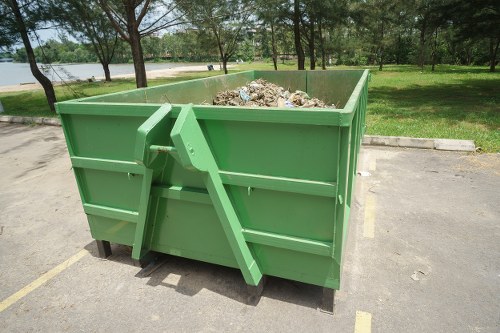
We align with the local sustainability ambitions of Ealing and neighbouring boroughs by encouraging source separation, increasing reuse, and expanding recycling throughput. Our office clearance services complement municipal services by offering an additional, specialist option for businesses that produce larger volumes of commercial waste or valuable assets that can be reused. By sharing data on recycled tonnages and types, we help local authorities plan better resource recovery routes and meet wider environmental targets.
