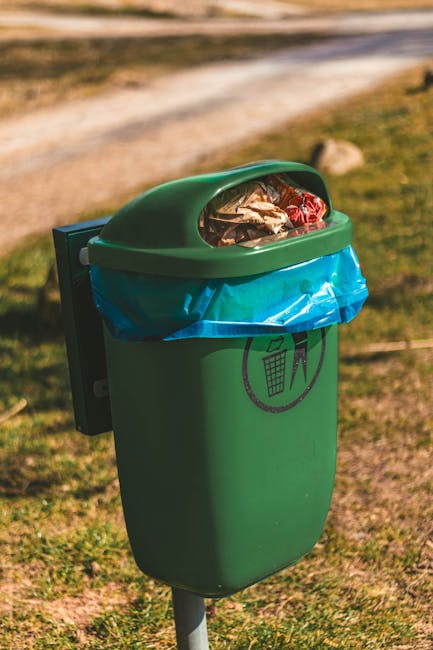
Gunnersbury Park: Best Rubbish Drop-Offs in Acton
If you are trying to clear out a few bags of clutter, an old chair, some garden cuttings, or a van-load of mixed waste, the search for Gunnersbury Park: Best Rubbish Drop-Offs in Acton can feel oddly complicated. The good news is that once you understand what kind of rubbish you have, how much you need to move, and whether it can be reused, recycled, or needs specialist handling, the whole thing becomes much easier.
This guide is built for people who want a practical answer, not a vague overview. You will find the best ways to think about rubbish drop-off in the Acton and Gunnersbury Park area, how to choose the right disposal option, what to avoid, and where a local clearance service can save you time when the job is bigger than a single car trip. To be fair, that is often the real story: one small bag becomes three, then a broken wardrobe appears, and suddenly you are planning your whole Saturday around waste.
Along the way, we will cover the local decision points that matter most: convenience, type of waste, recycling potential, compliance, and whether a professional collection is actually the smarter choice. If you need broader support with clearing a property, you may also find the waste removal service and the more specific furniture disposal options useful.
Table of Contents
- Why Gunnersbury Park: Best Rubbish Drop-Offs in Acton Matters
- How Gunnersbury Park: Best Rubbish Drop-Offs in Acton Works
- Key Benefits and Practical Advantages
- Who This Is For and When It Makes Sense
- Step-by-Step Guidance
- Expert Tips for Better Results
- Common Mistakes to Avoid
- Tools, Resources and Recommendations
- Law, Compliance, Standards, or Best Practice
- Options, Methods, or Comparison Table
- Case Study or Real-World Example
- Practical Checklist
- Conclusion
- Frequently Asked Questions
Why Gunnersbury Park: Best Rubbish Drop-Offs in Acton Matters
The area around Gunnersbury Park sits in a busy part of west London, where homes, flats, shops, and offices all generate different kinds of rubbish. That matters because waste is not just "waste". A bag of household clutter, a broken sofa, builder's rubble, and a stack of office files all need different handling. If you take the wrong approach, you can waste time, pay more than necessary, or end up turning away from a site because your load is not accepted.
People often start with a simple idea: "I just need to drop this off somewhere." Fair enough. But the best rubbish drop-off plan is usually a little more thoughtful. In practice, it means choosing the right destination for the material, separating items where possible, and thinking about whether a drop-off is worth the journey compared with a collection service.
There is also a local convenience angle. Acton is busy, parking can be awkward, and not every household has a car large enough for bulky items. If you live in a flat, share a building, or are clearing out a garden shed, the logistics can be more annoying than the waste itself. That is where local knowledge helps. The right option saves multiple trips and avoids the classic "why did I think this would be easy?" moment.
For many residents, rubbish drop-off is also tied to decluttering, move-outs, refurbishments, and end-of-tenancy clearances. If that sounds familiar, a broader service such as flat clearance or home clearance may be more sensible than handling everything alone.
How Gunnersbury Park: Best Rubbish Drop-Offs in Acton Works
In simple terms, rubbish drop-off means taking waste to a place that is set up to receive it, sort it, recycle what it can, and dispose of the rest safely. The exact process depends on the type of waste. Domestic rubbish is treated differently from DIY waste, and bulky furniture is usually handled differently again. The general idea is the same: arrive with the right material, in the right condition, and with the right expectations.
Here is how the process usually works in real life:
- Identify the waste type. Is it general household rubbish, furniture, green waste, metal, wood, or builders' waste?
- Sort what you can. Separate recyclable items from mixed waste, and remove anything that needs special handling.
- Check access and limits. Think about vehicle size, opening times, weight limits, and whether bookings are needed.
- Pack safely. Put loose items in bags or boxes, protect sharp edges, and keep heavier items low in the vehicle.
- Drop off or book a collection. Decide whether a self-drop is realistic or whether a professional collection will save time.
For a lot of people, the choice comes down to one question: do you want to do the lifting, loading, driving, and sorting yourself, or would you rather outsource the awkward bit? There is no wrong answer. It depends on your schedule, vehicle, and how much waste you are dealing with.
If the job involves mixed materials, damp items, or heavy furniture, it may make more sense to look at furniture clearance or, where the items are still reasonably reusable, planned house clearance. That is often more efficient than trying to squeeze everything into a single trip and hoping for the best.
Key Benefits and Practical Advantages
Using the right rubbish drop-off option in and around Acton gives you more than just a tidy room. It can simplify the whole clean-up process and cut down on stress.
- Faster decluttering: You can clear space in one go instead of leaving piles for "next weekend".
- Better sorting: Waste can often be separated more effectively when you plan the job properly.
- Potential recycling gains: Reusable and recyclable items are more likely to be diverted from landfill when they are handled well.
- Less household disruption: One organised disposal plan is easier to live with than several random trips.
- Cleaner move-outs: Helpful for tenants, landlords, and anyone preparing a property for sale or renovation.
- Safer handling: Heavy items and awkward loads are less risky when managed properly.
A practical example: if you are clearing out a spare room and find a mix of old books, a broken desk, a printer, and two bags of clothes, you may be able to separate donations, recycling, and waste before anything leaves the property. That one small habit can save money and make the job feel less chaotic. And yes, chaotic is the right word sometimes.
There is also a business benefit. Offices, retail units, and shared workspaces in the area often need tidy, discreet clear-outs without interrupting operations. For those situations, business waste removal and office clearance are usually much more efficient than asking staff to manage disposal in spare moments between meetings.
Who This Is For and When It Makes Sense
This topic is relevant to a surprisingly wide range of people. If you live or work near Gunnersbury Park, chances are you will need rubbish disposal help at some point.
- Homeowners: For spring cleans, refurbishments, loft tidies, or garden projects.
- Tenants: Especially when moving out and dealing with bulky leftovers.
- Landlords and letting agents: Useful after void periods or when preparing a property for re-let.
- Small businesses: For stockroom clean-outs, equipment disposal, and office clearances.
- DIY renovators: For plasterboard, timber, tiles, packaging, and mixed building debris.
- Anyone without a suitable vehicle: A very normal reason, truth be told.
It makes sense to explore a drop-off route if you have a small to medium load, some transport flexibility, and enough time to sort your waste properly. It makes less sense if the waste is bulky, heavy, messy, or time-sensitive. In those cases, a direct collection service is often calmer and more cost-effective overall.
If the space you are clearing is a garage, loft, or garden store, it may also be worth looking at the relevant service pages like garage clearance, loft clearance, and garden clearance. Those jobs tend to produce mixed waste, which is exactly where a little expert help pays off.
Step-by-Step Guidance
If you want the process to run smoothly, do it in stages. Nothing fancy. Just a clear plan.
1. Separate items before you move them
Start at home or on-site. Put reusable items aside, gather recyclables together, and identify anything that may need special handling. This is the point where most people save time without realising it. A quick sort now is better than staring at a mixed pile later in the day.
2. Measure the load in a rough, practical way
You do not need exact cubic metres for every job. But you do need a realistic feel for the size. Is it a boot-load, a small van-load, or several bulky items? If you are unsure, take photos and compare them with the service options you are considering. It sounds obvious, but the "it'll fit" assumption causes a lot of headaches.
3. Match the waste to the right route
General rubbish, garden cuttings, furniture, and builders' waste are not all the same. That distinction matters. If you are dealing with renovation debris, a service like builders waste clearance is a better fit than a general tidy-up route. Likewise, mixed household waste may be better handled through a broader waste removal arrangement.
4. Prepare the load safely
Wrap sharp edges, empty liquids, and avoid loose mess in the vehicle. If it rains, cover items before they get soaked. Wet cardboard and damp soft furnishings are a nuisance to carry and often less useful for recycling.
5. Decide whether to drop off or book help
This is the crucial choice. If you are dealing with a few manageable items, a drop-off might be perfect. If the job has escalated into a full-room clear-out, a professional team may be the better answer. Not glamorous, but practical.
6. Keep paperwork and receipts where needed
For households, this may be simple. For businesses, it is often worth keeping a record of waste transfer or collection details. If you need clearer pricing expectations before committing, take a look at the pricing and quotes information.
Expert Tips for Better Results
There are a few small habits that make rubbish disposal much easier. These are the sorts of things people only learn after one slightly frustrating clear-out, so it is useful to get them up front.
- Group by material, not by room. Wood, metal, cardboard, and textiles are easier to deal with separately.
- Keep donations and waste apart. It stops usable items from getting damaged or thrown away by mistake.
- Use strong bags and boxes. Thin bags split at the worst moment. Always.
- Lift with the load in mind. Heavy items should be moved in smaller pieces if possible.
- Book around traffic and access. In a busy area like Acton, timing matters more than people expect.
- Ask in advance about restricted items. Some materials need special handling and are not suitable for casual drop-off.
A small but important tip: if you are clearing a property near the park after work, aim for daylight if you can. It sounds obvious, but loading awkward items at dusk in a cramped street is never quite as simple as it seemed at 3 p.m.
And if the waste comes from a specific part of the property, like a shed, top floor, or cramped office storage room, a tailored service usually beats a general one. A few well-matched choices can make the entire process feel almost annoyingly straightforward.
Common Mistakes to Avoid
Most rubbish disposal problems are predictable. That is actually good news, because predictable mistakes are easy to avoid once you know what to look for.
- Mixing everything together: This makes sorting harder and can reduce recycling options.
- Underestimating volume: A few "extra" items can change the whole plan.
- Leaving the job to the last minute: Rush creates mistakes, and mistakes create extra work.
- Forgetting about access: Tight stairwells, parking restrictions, and narrow roads can all slow things down.
- Ignoring fragile or risky items: Mirrors, glass, sharp metal, and damp waste need care.
- Assuming all disposal options are the same: They are not. Not even close.
One common scenario is the "half-clearance". Someone starts by removing some old chairs, then discovers a broken cabinet, a bag of paint tins, and an extra pile in the shed. At that point, the original plan is gone. If that sounds familiar, it may be better to pause and rethink the route rather than force a small solution onto a larger job.
Tools, Resources and Recommendations
You do not need a lot of kit to manage rubbish sensibly, but the right basics help. Here are the simple things that make a real difference:
- Heavy-duty rubble sacks or refuse bags for general waste.
- Sturdy boxes for small mixed items, cables, or breakables.
- Gloves for sharp or dusty materials.
- Blankets or straps for protecting furniture in transit.
- A tape measure if you are unsure whether large items will fit in your vehicle.
- Phone photos to help compare load size before booking a service.
On the service side, the most useful resources are the ones that help you choose the right category of work. For example, a property full of old furnishings may be better suited to house clearance or furniture clearance, while waste from a landscaping job may point you towards garden clearance. If your concern is about responsible handling, the recycling and sustainability information is worth reading too.
For people who just want a direct conversation, the contact page is the quickest way to ask what is suitable for your particular load. That tends to save time, and a bit of guesswork, which is never a bad thing.
Law, Compliance, Standards, or Best Practice
Waste handling in the UK is not something to treat casually, especially if the waste comes from a business or includes items that could be hazardous. You do not need to become a compliance expert, but it is sensible to follow a few basic best practices.
At a high level, the key principles are straightforward:
- Use a legitimate disposal route. Do not hand waste to someone if you are not confident it will be handled properly.
- Separate hazardous or specialist items. Paint, chemicals, and certain electrical items may require extra care.
- Keep records where appropriate. Businesses should be more careful about documentation and transfer details.
- Respect access and safety rules. Bulky lifting, sharp objects, and awkward waste all carry risk.
If you are handling commercial material, the standards are stricter in practice, even when the load looks small. This is one reason businesses often prefer a planned business waste removal service. It helps keep disposal neat, traceable, and less disruptive.
For readers who value safety and operational reassurance, the company's health and safety policy and insurance and safety information can be helpful background reading. It is not flashy, but it matters. A lot.
Options, Methods, or Comparison Table
Here is a simple comparison to help you choose the right approach for rubbish disposal near Gunnersbury Park and Acton.
| Option | Best for | Advantages | Limitations |
|---|---|---|---|
| Self drop-off | Small loads, mixed household clutter, flexible schedules | Can be quick for lighter jobs; gives direct control | Requires transport, lifting, and time; not ideal for bulky waste |
| Professional rubbish removal | Bulky, awkward, or time-sensitive waste | Saves effort; often easier for stairs, parking, and heavy lifting | May cost more than doing it yourself, depending on the job |
| Specialist clearance service | Furniture, garden, loft, garage, office, or builder's waste | Better matched to the material; often more efficient | Needs a little more planning up front |
The right answer depends on your load, your schedule, and how much lifting you want to do. If you are sorting a whole flat, for example, the time saved by using a dedicated service is often worth it. If you have just a few items and a convenient vehicle, drop-off may be perfectly fine. No drama either way.
Case Study or Real-World Example
Here is a realistic example. A family in Acton had been putting off a spare-room clear-out for months. The room had become a storage magnet: an old bedside cabinet, two bags of clothes, cardboard boxes, a broken office chair, and some garden items that somehow ended up inside after a rainy weekend. Nothing extreme, just messy.
At first, they planned to make several self-drop trips. But once they worked through the list, they realised the chair was awkward, the boxes were bigger than expected, and the garden waste was damp. Instead of splitting it into three awkward journeys, they grouped the items and arranged a mixed clearance route. The result was simpler: less loading, less parking stress, and no need to ask a neighbour for their car.
The useful lesson here is not that one method is always better. It is that the shape of the job matters. If the waste is light, dry, and easy to carry, a drop-off can be a neat solution. If it is bulky or mixed, a clearance service can quietly save the day.
That kind of judgement is where people usually feel the difference. Not in theory, in practice.
Practical Checklist
Use this quick checklist before you decide how to deal with rubbish near Gunnersbury Park.
- Have I identified the waste type clearly?
- Can I separate recyclables, reusable items, and general rubbish?
- Do I know how much space the load will take?
- Do I have the right vehicle and access for the job?
- Are any items bulky, sharp, wet, or potentially hazardous?
- Would a specialist service be easier than multiple drop-off trips?
- Do I need a receipt, record, or written quote?
- Have I checked the timing and convenience of the chosen option?
- Am I disposing of the waste through a responsible route?
If you are dealing with a larger or more awkward job, it may help to review pricing and quotes before you commit. A little planning saves a surprising amount of friction later on.
Conclusion
Finding the best rubbish drop-off option near Gunnersbury Park is really about matching the method to the mess. Small, manageable loads can often be handled with a simple drop-off. Bigger, heavier, or mixed waste usually deserves a more tailored approach. Once you think in those terms, the decision becomes much clearer.
The main thing is not to let clutter snowball. A modest clear-out done properly is better than a rushed job done twice. Whether you are emptying a flat, clearing a garden, or shifting old furniture from an office, the right plan makes the whole process calmer and cleaner.
And honestly, there is a quiet satisfaction in getting it sorted. The room smells fresher, the floor appears again, and suddenly the day feels less cramped.
Get a free quote today and see how much you can save.
Frequently Asked Questions
What is the best way to dispose of rubbish near Gunnersbury Park?
The best method depends on the type and amount of waste. Small, sorted loads may suit a drop-off approach, while bulky or mixed waste is often easier with a collection service.
Can I take furniture to a rubbish drop-off point in Acton?
Sometimes, yes, but it depends on the size, condition, and the facility's rules. Large furniture is often easier to handle through a dedicated furniture clearance or disposal service.
Is builders' waste treated differently from household rubbish?
Usually, yes. Builders' waste often includes rubble, timber, plaster, and mixed renovation debris, which may need a specialist route such as builders waste clearance.
What if I only have a few bags of rubbish?
A few bags may be suitable for self-drop-off if you have the right vehicle and enough time. If the bags are mixed, wet, or awkward to carry, a collection may still be easier.
How do I know whether to recycle or dispose of an item?
Start by separating anything reusable or recyclable. Cardboard, metal, some plastics, and certain wood items may be suitable for recycling, but contaminated or damaged items may need general disposal.
Do I need a professional service for a flat clear-out?
Not always, but many people find it easier, especially in buildings with stairs, limited parking, or larger volumes of waste. A flat clearance service can reduce the hassle quite a bit.
What should I do with old office furniture?
Old desks, chairs, filing cabinets, and storage units are usually better handled through office or furniture clearance rather than being dragged through a general rubbish route.
Are there safety issues with loading waste myself?
Yes, especially with heavy, sharp, or unstable items. Gloves, proper lifting technique, and a sensible load plan matter. For larger jobs, it is often safer to use a professional team.
How can I make a rubbish drop-off quicker?
Sort waste beforehand, pack items securely, confirm the right disposal route, and avoid turning up with mixed materials if they need separating. A bit of prep goes a long way.
What is the most cost-effective option for rubbish removal?
The cheapest option is not always the most cost-effective. If a self-drop requires multiple journeys, lost time, parking stress, and extra lifting, a single collection may end up being better value overall.
Can I get help with garden waste near Acton?
Yes. Garden branches, clippings, soil, and outdoor clutter can often be handled through a dedicated garden clearance service, which is usually simpler than improvising with mixed household waste.
How do I choose between drop-off and collection?
Ask yourself three things: how much waste there is, how awkward it is to move, and how much time you have. If any of those answers are a bit messy, a collection is often the easier option.
Where can I find more details about responsible disposal?
The recycling and sustainability page is a useful place to start if you want to understand how items may be sorted and handled responsibly.
Who should I contact if I am unsure about the right service?
If you are unsure, the simplest next step is to contact the team directly with a short description or a photo of the waste. That usually clears things up quickly.