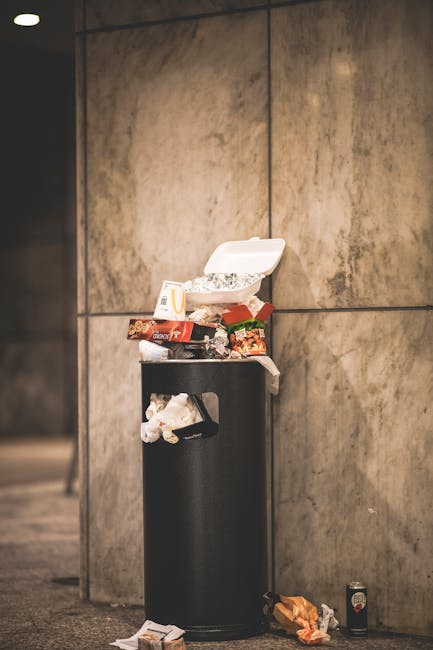
Missed Bin in W3? Quick Rubbish Solutions for Acton Homes

If you have just found out your bin was missed in W3, you are probably dealing with the sort of mess that feels small at first and then suddenly takes over the whole day. The bags are there, the smell starts creeping in, and the kitchen corner that was fine an hour ago now feels like a problem you can't ignore. This guide to Missed Bin in W3? Quick Rubbish Solutions for Acton Homes is for exactly that moment: when you need a calm, practical answer, not a vague suggestion to "wait and see".
Below, you will find what usually causes missed collections, what to do next, which rubbish solutions make sense for homes in Acton, and how to avoid making a simple delay turn into a bigger clean-up. Truth be told, most people just want the bins dealt with properly and quickly. Fair enough.
- Why a missed bin matters
- How quick rubbish solutions work
- Benefits and practical advantages
- Who it is for
- Step-by-step guidance
- Expert tips
- Common mistakes to avoid
- Tools, resources and recommendations
- Law, compliance and best practice
- Options and comparison
- Real-world example
- Practical checklist
- Conclusion
- Frequently asked questions
Why Missed Bin in W3? Quick Rubbish Solutions for Acton Homes Matters
A missed bin collection sounds like a minor admin issue, but in a busy home it can quickly become an everyday disruption. If your general waste, recycling, or food bin is still outside after collection day, the impact is immediate: odours, pests, clutter, and nowhere to put the next day's waste. In a flat, terrace, or family house around Acton, space is often limited already, so a missed pick-up has a way of spilling into the rest of the home.
It also matters because rubbish is not just about appearance. Mixed waste left too long can leak, attract flies, and create a much less pleasant morning than anyone deserves. If you have children, work from home, or share a property, the inconvenience multiplies fast. And if the missed bin is part of a larger clear-out - old furniture, bags from a loft, garden cuttings, builder's debris - then the problem is no longer just one bin. It is a storage issue, a hygiene issue, and sometimes a timing issue all at once.
That is where quick rubbish solutions come in. Instead of waiting for the next scheduled collection and hoping the bag mountain behaves itself, you can use a more direct option: sort the waste, remove what should not be there, and arrange a proper clearance for anything that won't fit the normal bin system. For many households, that is the difference between a stressful week and a quick reset.
Key takeaway: a missed bin is rarely only about one missed collection. It usually signals a pile-up of waste, poor timing, or a space problem that needs a practical response, not just patience.
If your situation has moved beyond a one-off missed bin and into a broader household clear-out, services such as waste removal, home clearance, or even house clearance can be a more efficient answer. Not every problem needs a full service, of course. But sometimes it does. Better to be honest about that early.
How Missed Bin in W3? Quick Rubbish Solutions for Acton Homes Works
Quick rubbish solutions usually follow a simple pattern: assess the waste, separate what can stay, remove what cannot, and then arrange the fastest sensible disposal route. That might sound obvious, but the detail is where most people save time. A missed bin is often mixed with other items that should not be left loose in the home - broken packaging, food waste, old bags from a move, or bulky bits you meant to sort later.
For an Acton home, the process usually looks like this:
- Check what was actually missed. Sometimes it is one bin type, not all of them. Knowing whether it is general waste, recycling, or garden waste changes the next step.
- Separate the contents. If items are mixed, pull out anything that can go in the correct bin next time. That keeps disposal cleaner and cheaper.
- Look for bulky additions. One missed bin often sits beside old boxes, damaged chairs, broken shelves, or garden sacks that were never part of the original collection.
- Decide what can wait. Some waste can be safely stored for a short time. Food waste, wet cardboard, and anything smelly usually should not.
- Use the right clearance route. If the waste is too much for normal bin storage or you need it gone quickly, arrange a targeted clearance rather than trying to make the household bins do all the work.
In practice, that means choosing between a small same-day tidy-up and a fuller clearance service. A missed bin after a weekend barbecue is one thing. A missed bin plus half a garage of unwanted items is another. Let's face it, the second one is already halfway to a clearance job.
Some homes in Acton benefit from looking at the bigger picture too. If the missed bin is linked to a loft clear-out, a tight flat, or garden waste that has been sitting around, then related services such as loft clearance, flat clearance, or garden clearance may be more appropriate than a basic bin reset.
Key Benefits and Practical Advantages
The biggest benefit of acting quickly after a missed bin is simple: you regain control of the space. That sounds small until you are living with the problem. A tidy kitchen, hallway, bin store, or yard changes the mood of the whole home. There is less smell, less clutter, and less risk of waste building up into a bigger issue.
Here are the practical advantages people usually notice first:
- Less odour and mess - especially if food waste or damp packaging is involved.
- Better hygiene - fewer flies, spills, and sticky surfaces.
- More usable space - bin areas, side returns, and kitchens stop feeling overrun.
- Faster reset - one quick decision prevents a long week of "I'll deal with it later".
- Reduced stress - the whole home feels calmer when waste is not hanging around.
- Cleaner sorting - you are more likely to separate recyclable and non-recyclable items properly when you act sooner.
There is another benefit people sometimes overlook: visibility. When waste sits out of sight, it tends to multiply. You add one bag here, one box there, and soon enough the problem is not one missed bin at all. It is a habit of postponing. Quick action breaks that pattern. That may sound a bit dramatic, but honestly, it is how these things go.
For households with bulky household items, using a dedicated service like furniture disposal or furniture clearance can also make the result more complete. One good clear-out often solves three smaller problems at once.
Who This Is For and When It Makes Sense
This guide is useful for anyone in Acton who has a bin left uncollected and needs a fast, sensible fallback. But the people who benefit most are usually in one of a few very ordinary situations.
- Busy families who cannot keep waiting for the next collection day.
- Flat residents who have limited bin storage and nowhere to tuck bags away neatly.
- Households after a clear-out where the rubbish has outgrown the bin system.
- People dealing with bulky waste that was never going to fit in standard bins anyway.
- Landlords or property managers who need a property left in presentable condition quickly.
- Homeowners mid-renovation where packaging, offcuts, and old materials are piling up.
It also makes sense if the missed bin is only part of a much bigger issue. For example, if the front path has become a temporary holding area for old boxes, broken shelving, and a couple of damp bin liners, then you are not really dealing with one missed collection - you are dealing with a waste bottleneck. That is a different job.
In some homes, especially smaller flats and terraces, the best answer is to combine bin cleanup with a more general domestic clearance. Services like house clearance or home clearance can remove the pressure without you having to shuffle rubbish around for another week. Sometimes the simple route is the smart one.
Step-by-Step Guidance
If you want a quick and practical way to handle a missed bin in W3, use this process. It is straightforward, but the order matters.
- Identify the waste type. Work out whether the bin was for general waste, recycling, or food waste. That helps you decide what can be retained safely.
- Check the condition of the bags. If bags are split, leaking, or attracting insects, deal with those first. No one wants a puddle of mystery liquid on a warm afternoon.
- Separate bulky items immediately. Put aside broken chairs, old boxes, packaging, or furniture that should not sit with everyday rubbish.
- Decide what can wait one more day. Dry recyclable waste may be fine temporarily. Food waste and anything damp usually is not.
- Book the right clearance service if needed. If the waste volume is already too high, use a dedicated rubbish solution instead of trying to squeeze it into the next collection.
- Reset the bin area. Clean the surrounding space, wipe any residue, and make the next collection easier.
- Review storage habits. If the missed bin exposed a space problem, adjust how you store waste going forward.
A small practical detail: keep a spare liner or two in a dry place. It sounds tiny, but it helps on those awkward days when a bin has been missed and you are trying to keep the rest of the home tidy. One little preparation step saves a lot of faffing about.
If renovation debris is part of the problem, it may be better handled through builders waste clearance. That is especially useful where broken plasterboard, timber, or packaging is sitting beside household rubbish and needs a different disposal approach.
Expert Tips for Better Results
From experience, the fastest rubbish solutions are rarely the fanciest. They are the ones that keep the job simple and reduce the number of times you handle the same bag. A few small choices make a noticeable difference.
- Separate wet and dry waste early. Wet waste spreads the mess faster, so deal with it first.
- Don't overfill liners. A bag that is too heavy is awkward, messy, and more likely to split on the way out.
- Move bulky items out of the way. Even if they are not being collected that day, keep them separate from the main waste pile.
- Use containers, not loose piles. Loose rubbish creates more cleaning work and encourages pests.
- Think two collections ahead. If one missed bin leaves you short of space, plan for the next fortnight rather than the next day.
- Choose the disposal method by waste type. General household rubbish, furniture, garden cuttings, and office items all behave differently.
One thing people often underestimate is timing. If you notice a missed bin early in the day, you have more options. If you spot it late at night after the smell has warmed up in the sun, you are already in a less pleasant situation. No drama, just reality.
Where a property has accumulated mixed household junk, a targeted service like garage clearance can be surprisingly effective. Garages tend to collect the sort of things that don't belong anywhere else, and somehow nobody notices until the bin area is already full. Classic.
Common Mistakes to Avoid
The main mistake is to wait too long. That sounds obvious, but it is the one people repeat most often. A missed bin is easy to ignore for half a day, then a day, then suddenly it becomes a damp-smelling corner of the house you would rather not think about.
Other common mistakes include:
- Mixing bulky waste with household bags. It makes sorting slower and disposal less efficient.
- Storing food waste indoors for too long. It increases smell and hygiene issues very quickly.
- Using the wrong service for the waste type. Garden waste, building debris, and household rubbish each need the right approach.
- Overestimating how much can fit "just one more time". That phrase usually causes trouble.
- Leaving everything for the next bin day without a backup plan. Fine in theory, risky in real life.
Another subtle mistake is not checking the cause of the missed collection. Sometimes the issue is a blocked bin, incorrect presentation, or simple access problem. If that happens repeatedly, changing how you place or sort the bins may be more useful than any one-off clean-up. It is boring advice, admittedly, but boring advice can save a lot of hassle.
For businesses or mixed-use properties, waste problems can scale up quickly. If household rubbish is blending into office overflow, then office clearance or business waste removal may be the more sensible route. Not glamorous, but practical.
Tools, Resources and Recommendations
You do not need much to deal with a missed bin properly, but a few basic items make the process smoother. Nothing fancy. Just sensible household tools and a bit of planning.
- Heavy-duty bin liners for splitting waste into manageable loads.
- Cleaning gloves for handling damp or messy rubbish safely.
- A lidded container for temporary storage of food waste or smelly items.
- Cleaning spray and cloths for sanitising the bin area after collection issues.
- Sorting boxes or crates to separate recycling, general waste, and bulky items.
- Access to a reliable clearance provider when the waste exceeds normal bin capacity.
On the service side, the best recommendation is to match the solution to the load. A light household tidy-up may need only a small collection. But if you are dealing with a loft full of old bags, broken bits of furniture, and forgotten boxes, then a more structured service is worth it. The job gets done once, properly.
It can also help to review practical company information before booking anything. Pages such as pricing and quotes, recycling and sustainability, and insurance and safety are useful for understanding what to expect from a professional clearance approach. No need to overcomplicate it, but do make sure you know what is included.
Law, Compliance, Standards, or Best Practice
When you are dealing with rubbish in the UK, the main thing is to handle waste responsibly and avoid leaving anything in a condition that causes nuisance, health issues, or illegal dumping. You do not need to become a legal expert to do the job properly, but a few basic expectations are worth keeping in mind.
In practice, good waste handling means:
- keeping household waste contained;
- separating recyclable material where possible;
- avoiding fly-tipping or leaving waste on pavements;
- using a suitable service for bulky or mixed waste;
- protecting anyone handling the waste from cuts, spills, or contamination.
If you use a clearance company, it is sensible to choose one that treats health, safety, and disposal processes seriously. That is not just box-ticking. It affects how your home is left, how the waste is handled, and how confident you feel about the whole thing. A professional approach should also respect privacy and customer care, so the small things matter too.
For peace of mind, you may want to review the company's health and safety policy, terms and conditions, and about us information before booking. Those pages help set expectations without the usual vague promises. That's useful.
Options, Methods, or Comparison Table
Not every missed bin needs the same response. The right option depends on what was missed, how much there is, and how quickly you need the space back.
| Option | Best for | Pros | Limits |
|---|---|---|---|
| Wait for next collection | Small, dry, non-urgent waste | No extra action, no immediate booking | Can be messy, smelly, or impractical in small homes |
| Re-sort and store safely | Waste that can be temporarily contained | Simple and low effort | Not suitable for food waste or overflowing bins |
| Targeted rubbish removal | Mixed waste or a bin area that is already full | Fast reset, less stress, more control | May be more than you need for very small amounts |
| Full property clearance | When the missed bin is part of a bigger clear-out | Solves the underlying clutter problem | Not necessary if the issue is only one bin |
A good rule of thumb: if you can store it cleanly and safely, waiting may be fine. If you cannot, move to a quicker solution. That is usually the least stressful route in the long run.
Case Study or Real-World Example
A typical Acton scenario goes like this. A household has one missed general waste bin after a busy week. At first it seems manageable. But the bin sits beside a few bags from a wardrobe clear-out, some packaging from a recent furniture delivery, and a damp food caddy that is already starting to smell. By the following morning, the back passage feels cramped and the kitchen is less than pleasant.
The homeowner does what many people do: they try to reshuffle everything into the next bin collection. That partly works, but not fully. The bulky packaging stays, the spare bags have nowhere clean to go, and the whole area still feels cluttered. At that point, a quicker rubbish solution becomes the sensible choice. The waste is separated, the bulky items are taken away, and the home is reset instead of just patched up.
In a slightly larger property, the story is often similar but more spread out. One missed bin sits in the yard, another pile appears in the hallway, and suddenly the whole place feels busier than it actually is. A targeted clearance service clears the space and avoids the "we'll sort it later" cycle that everyone knows too well. Small relief, big difference.
That is usually how these jobs go. Not dramatic. Just a bit too much rubbish, a bit too little time, and then a practical fix.
Practical Checklist
Use this checklist if you are dealing with a missed bin in W3 and want the quickest clean outcome.
- Check which bin was missed.
- Separate food waste from dry waste immediately.
- Move loose bags into tied, sturdy liners.
- Keep bulky items away from the bin area.
- Clean any spills or residue before it spreads.
- Decide whether the waste can safely wait.
- Book a rubbish removal service if the pile is growing.
- Review whether the problem is one-off or part of a bigger clearance need.
- Check the bin area for access issues next time.
- Reset the space so the next collection is easier.
For many homes, that simple sequence is enough to take the panic out of the day. It does not need to be a grand project. Just a clear order of steps.
Get a free quote today and see how much you can save.
Conclusion
A missed bin in W3 does not have to turn into a messy week. The faster you assess the waste, separate what can be kept, and choose the right disposal route, the easier the whole thing becomes. For some Acton homes, that means simply waiting for the next collection after a quick tidy-up. For others, it means a more direct rubbish removal or property clearance to stop the clutter from building up again.
The important thing is not to let one missed collection set the tone for the rest of the week. Deal with it early, keep the waste contained, and choose the option that actually fits the problem. Simple, really. And once the bin area is clear again, the whole home tends to breathe a little easier.
When you are ready to move from cluttered to calm, a proper clearance plan can make the difference you feel straight away.
Frequently Asked Questions
What should I do first if my bin was missed in W3?
Check which waste type was missed, then separate food waste, dry recycling, and any bulky items. If the bin area is already overflowing, a quick rubbish removal option is usually the safest next step.
Can I leave a missed bin out until the next collection?
Sometimes, yes - if the waste is dry, contained, and not causing hygiene problems. But food waste, leaking bags, or cluttered bin stores are better dealt with quickly.
Is rubbish removal better than waiting for the council collection?
It depends on the amount and type of waste. Waiting can work for a small, clean overflow. If the waste is smelly, bulky, or taking up valuable space, removal is usually more practical.
What if the missed bin is part of a bigger clear-out?
That is common. In that case, a broader service such as home clearance, house clearance, or waste removal may be more suitable than treating it as a one-bin issue.
How do I stop a missed bin from becoming a bigger problem?
Act quickly, keep waste sealed, separate bulky items, and clean the area around the bin. The longer rubbish sits around, the more awkward it becomes.
Can bulky items be removed at the same time as bin waste?
Yes, if the service is set up for mixed domestic waste. Furniture, boxes, and old storage items can often be removed alongside bin waste, which saves a lot of time.
What services help when a missed bin is linked to a loft or garage clear-out?
Loft clearance and garage clearance are often the best fit if the problem is coming from stored clutter rather than just a missed collection. They help clear the source, not only the symptom.
Is garden waste handled differently from household rubbish?
Usually, yes. Garden cuttings and soil-heavy waste often need a different approach from general household rubbish, so garden clearance is often the more suitable route.
How do I know if I need full house clearance?
If rubbish is spread through several rooms, or the missed bin is just one part of a much larger clutter issue, full house clearance may be the most efficient option.
What should I look for in a rubbish clearance provider?
Look for clear pricing, sensible communication, and proper attention to safety and waste handling. It also helps if the company explains how it handles recycling and disposal.
Can a missed bin cause hygiene issues?
Yes, especially if food waste or damp rubbish is involved. Odour, flies, and leaks can appear surprisingly quickly, particularly in warmer weather or in smaller homes.
Where can I check the practical details before booking?
Useful pages to review include pricing and quotes, terms and conditions, insurance and safety, and recycling and sustainability. They help set expectations before you commit to anything.